
ABOUT US
RHINOMAX is a company in Qingdao, China, engaged in the business of construction machinery equipment. We are an authorized dealer for numerous high-quality machinery brands. We carefully select each brand we represent to ensure high quality, competitive pricing, and excellent after-sales service.
GET A FREE QUOTE
OUR PRODUCTS
Best-selling products
our service
service

Our service revolves entirely around your satisfaction. This is not just our promise—it is the core philosophy that defines RHINOMAX. From the very first moment to the very end, RHINOMAX is committed to standing by your side every step of the way. We pledge to deliver swift, dependable, and hassle-free service and support, so that equipment concerns will never trouble you again.
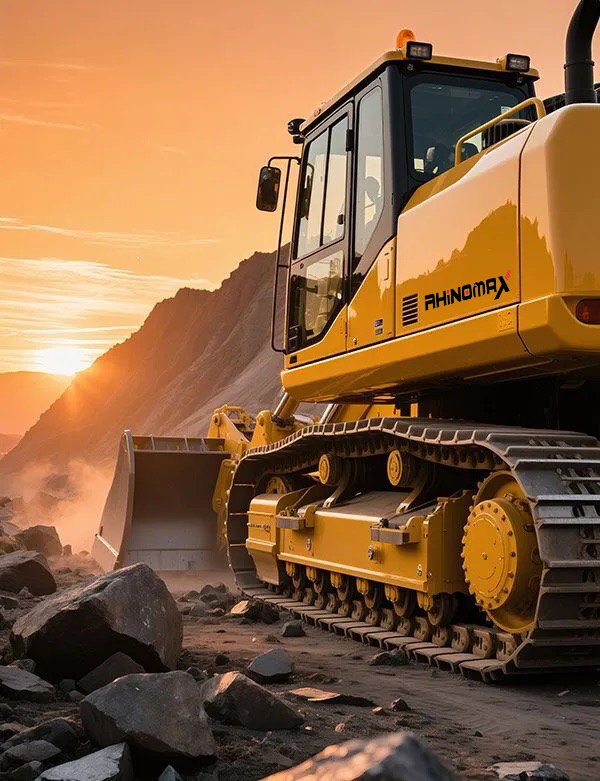
Our machines serve as your reliable backbone, but true partnership starts there. RHINOMAX provides unwavering, all-encompassing support that accompanies you throughout the entire journey, ensuring your equipment performs at peak efficiency anywhere in the world. With industry-leading warranties and dependable localized service, choosing RHINOMAX means gaining not just a machine, but enduring peace of mind and trust. We firmly believe that exceptional service transforms cooperation into a truly seamless experience.

RHINOMAX is committed to providing the most reliable and powerful technology for construction machinery. Whatever challenges you face, we guarantee to provide solutions that fully meet your needs. Our experienced technicians are always ready to respond to your needs and provide the most professional and authoritative guidance.
About RHINOMAX
Pioneer In The Machinery
Industry
RHINOMAX is a company in Qingdao, China, engaged in the business of construction machinery equipment. We are an authorized dealer for numerous high-quality machinery brands. We carefully select each brand we represent to ensure high quality, competitive pricing, and excellent after-sales service.

00
K +Awards Win

00
K +Completed Project

00
K +Happy Clients

00
K +Finish The Job
OUR BLOG
BLOG
Excavator: The “Hercules” of Construction Machinery
Excavator: The “Hercules” of Construction Machinery
Introduction
The excavator is an indispensable equipment in modern engineering and construction, renowned worldwide for its immense power and flexible operation. This document provides a comprehensive overview of the excavator’s history, working principles, types, brands, and future development, helping you gain an in-depth understanding of this “steel giant.”
Origin and Development History of Excavators
The history of excavators dates back to the late 19th century. The first practical steam-powered excavator was invented by American William Otis in 1839, primarily for railway construction. At that time, excavators were large in size, steam-driven, and although more efficient than manual labor, they were complex to operate.
In the 20th century, with the application of electricity and internal combustion engines, excavators gradually evolved into full-revolving models. In 1951, France’s Poclain Company launched the first fully hydraulic backhoe excavator, marking the birth of the modern excavator. China started by imitating Soviet mechanical excavators and has now become the world’s largest production and consumer market, with brands like Sany and XCMG gaining global recognition.
Working Principles of Excavators
Modern excavators mainly adopt a hydraulic transmission system. Their core components include:
Power Source: A diesel engine drives a hydraulic pump, converting mechanical energy into hydraulic energy.
Action Implementation: High-pressure hydraulic oil pushes hydraulic cylinders (responsible for the movement of the boom, arm, and bucket) or hydraulic motors (responsible for slewing and traveling) through control valves.
Advantages: The hydraulic system operates smoothly with powerful force, supporting 360° slewing and composite movements.
Operators precisely control the excavator through joysticks in the cab to achieve efficient operations.
Types and Applications of Excavators
Excavators are classified by tonnage and purpose:
Mini Excavators (1-6 tons): Suitable for urban and garden construction, featuring strong mobility.
Medium Excavators (20-30 tons): The most common type, used for earthmoving and road construction projects.
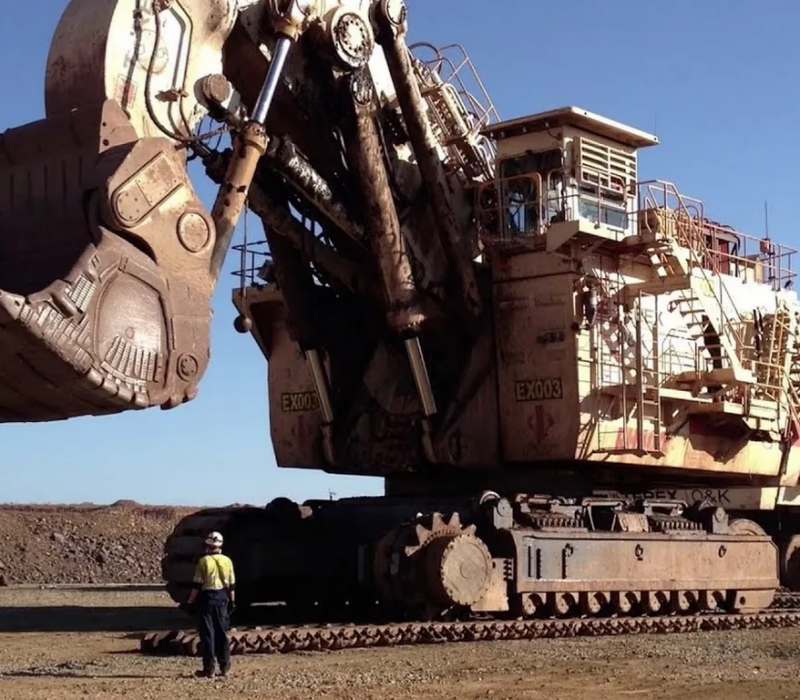
Large/Mining Excavators (over 50 tons): Used in mines, with a huge single-bucket capacity.
There are also crawler-type, wheeled, and amphibious models. By replacing attachments (such as hydraulic breakers and grapples), excavators can perform multi-functional operations.
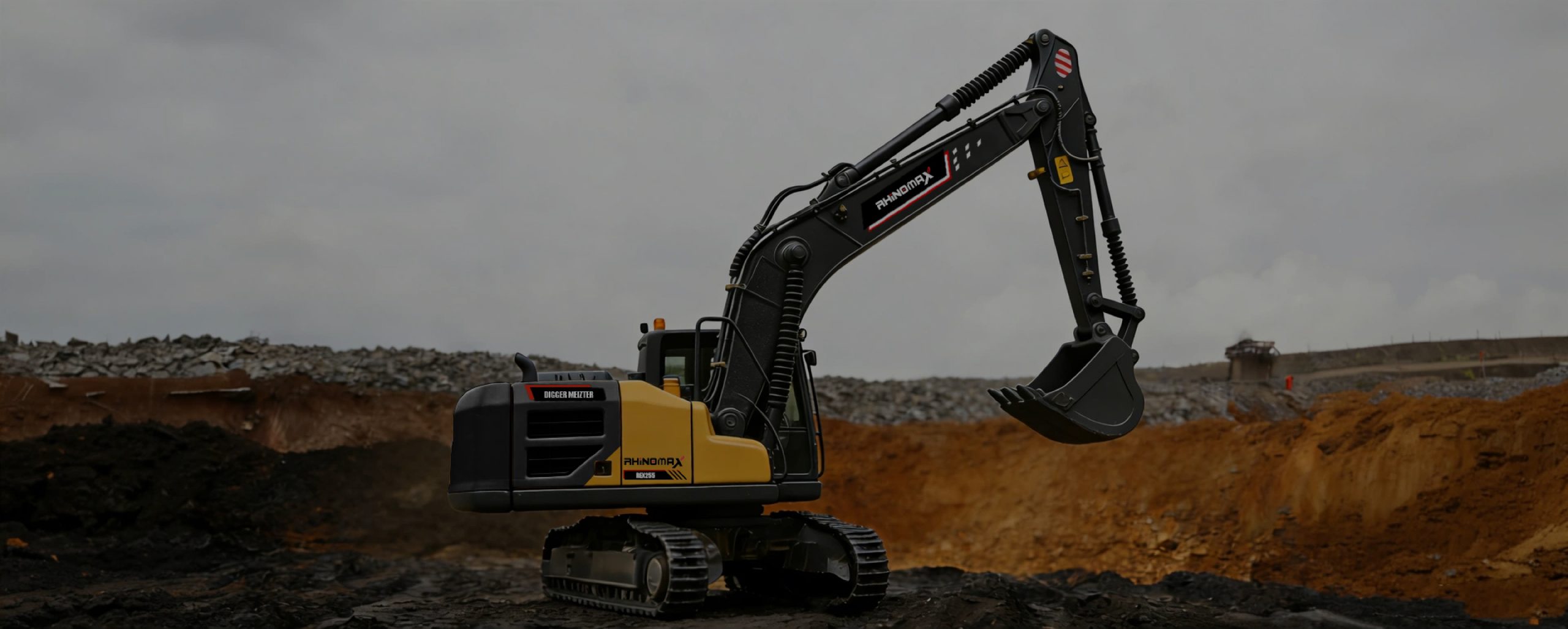
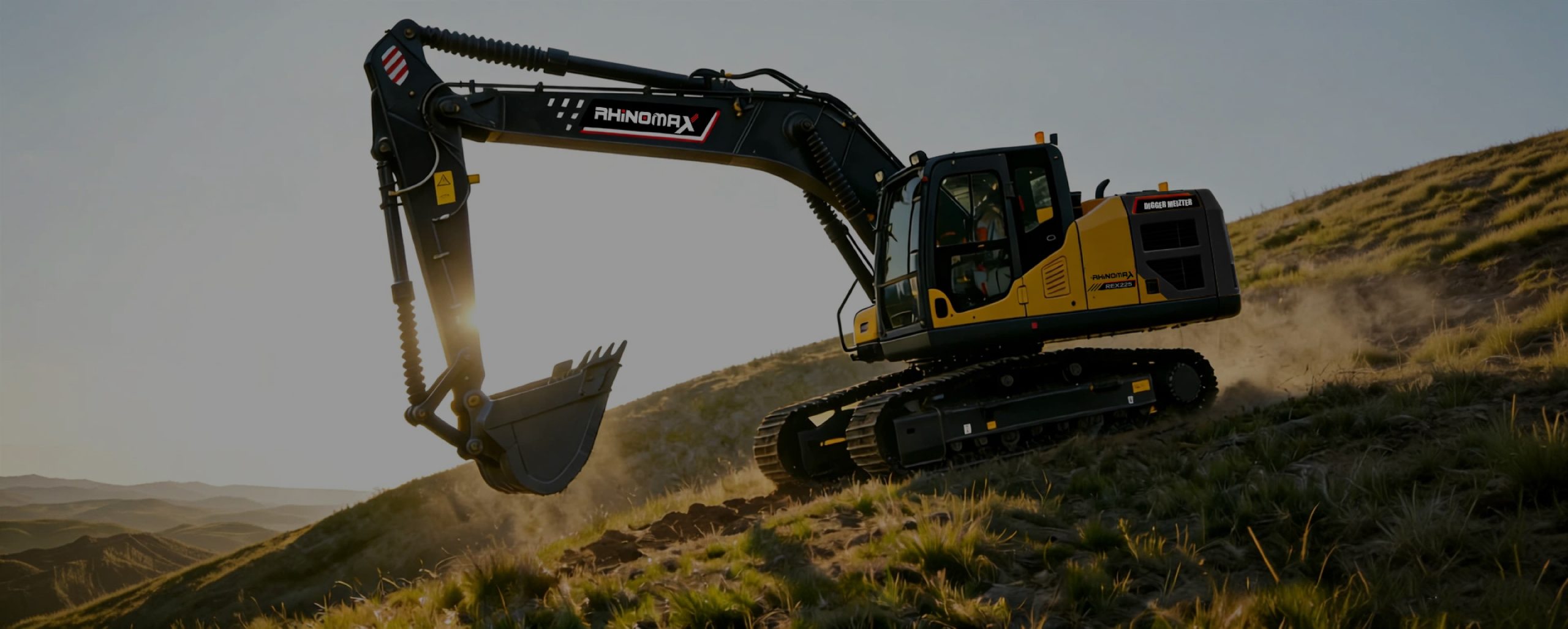
(Excavator operating at a construction site)
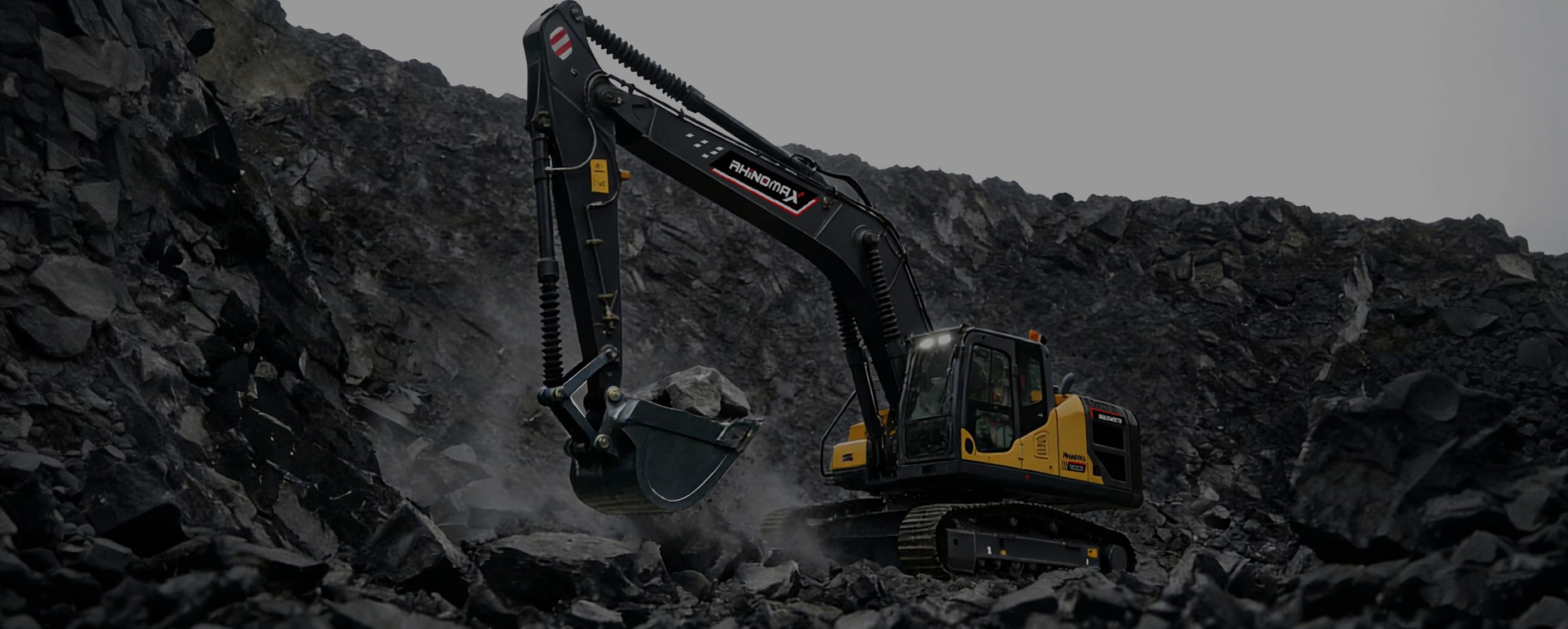
(Large mining excavator)
Future Outlook and Interesting Facts
Future excavators will develop towards intelligence, unmanned operation, and electrification, supporting 5G remote control and automatic path planning.
Interesting Fact: The world’s largest excavator is the German Bagger 288 bucket-wheel excavator, which stands 96 meters tall, weighs 13,500 tons, and can excavate 240,000 cubic meters of soil per day.
The excavator is not only an engineering tool but also a manifestation of human wisdom. It has promoted infrastructure construction and transformed our world.
Thank you for reading! For more details or updates, feel free to ask at any time.